Language
Arabic, with English widely spoken
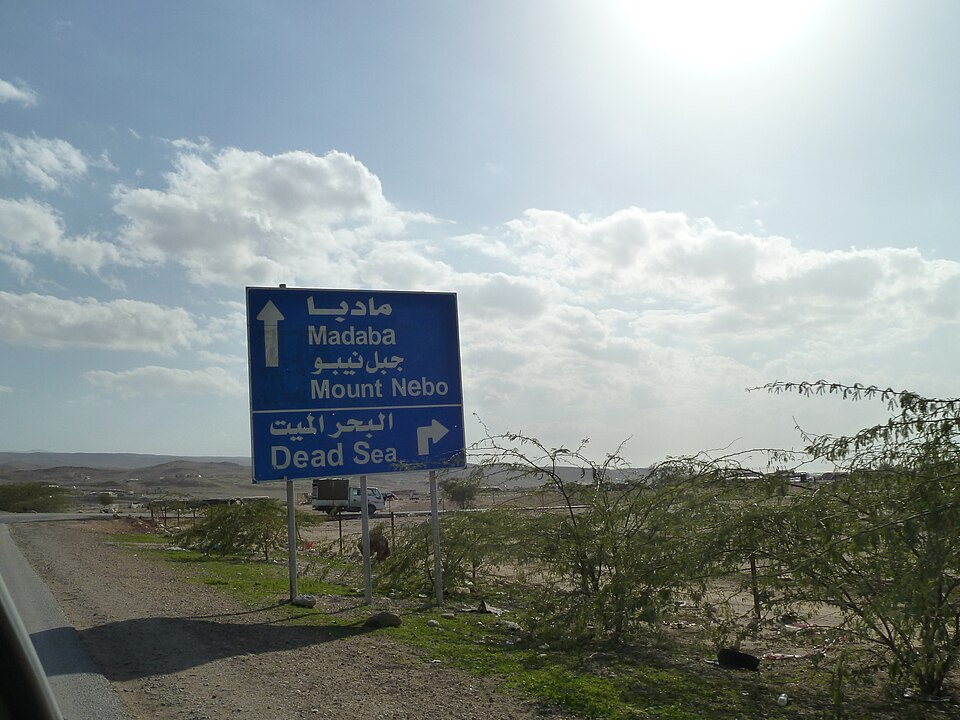
Arabic is the official language. English is spoken in hotels, restaurants and shops and at the main sites, and most signs are in both languages. Learn a few words like marhaba (hello) and shukran (thank you) and people will love it. Our guides also speak French, German, Italian, Spanish, Portuguese, Russian, Polish, Chinese, Japanese and Indonesian.
Visas
Visa on arrival for most visitors
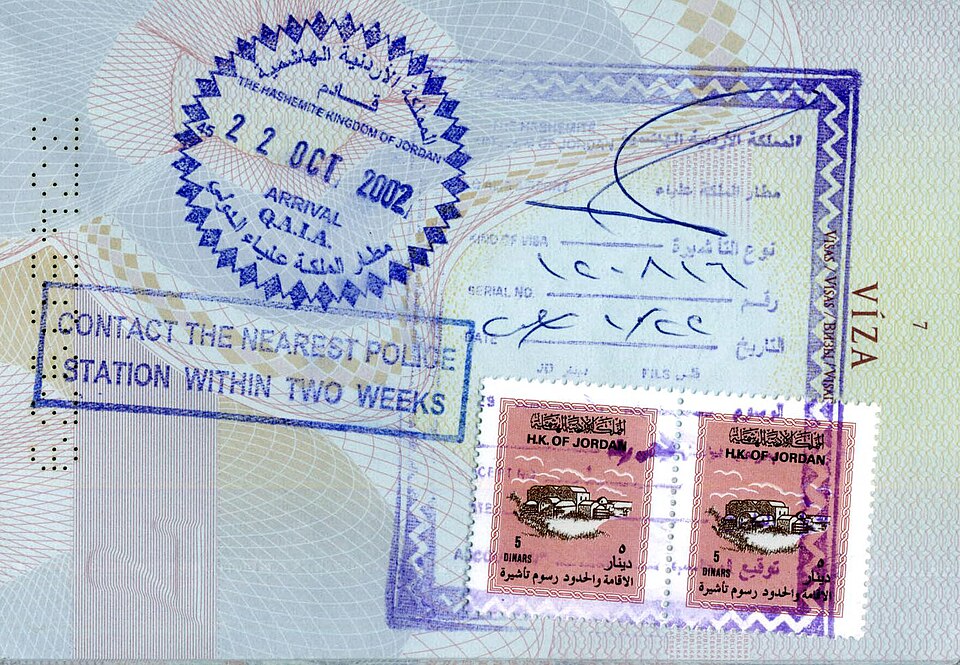
Most nationalities, including visitors from Europe, the US, Canada and Australia, can get a tourist visa on arrival at Queen Alia International Airport. Some nationalities need to apply in advance. Visas aren't issued on arrival at the King Hussein (Allenby) Bridge. A popular option is the Jordan Pass: it covers your visa fee if you stay at least three nights, plus entry to Petra and dozens of other sites. We'll tell you what applies to you when you book.
Currency
Jordanian Dinar (JD), about US$1.41
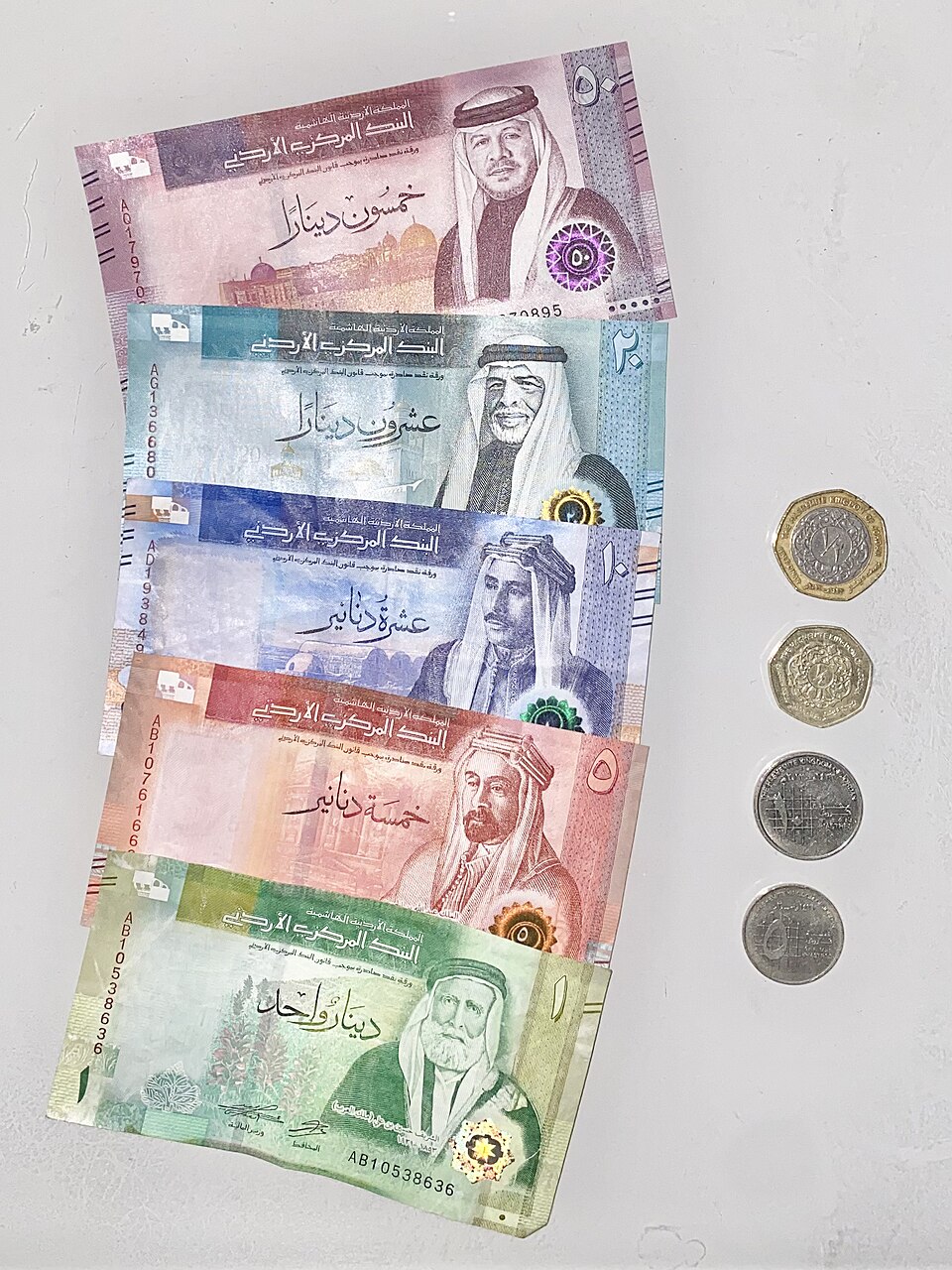
The Jordanian Dinar is divided into 1,000 fils (or 100 piastres). Its value is pegged to the US dollar, so prices stay predictable: 1 JD is roughly $1.41. ATMs are easy to find in cities and towns, and you can change money at banks, exchange shops and the airport. Keep some dinars in cash for markets, small shops and tips.
Credit cards
Visa and Mastercard widely accepted
Visa and Mastercard are accepted in hotels, restaurants and most larger shops, and contactless payment is common in Amman. American Express is accepted in fewer places. Small shops, street food stalls, taxis and the desert camps often only take cash, so it's best to carry both.
Electricity
230 V, 50 Hz, mostly European plugs
Most sockets take the European round two-pin plug (types C and F), and some hotels also have British three-pin sockets (type G). Phone and laptop chargers usually work with just a plug adapter. Visitors from the US and Canada may need a voltage converter for devices like hair dryers that only run on 110 V.
Climate
Sunny most of the year, with four real seasons
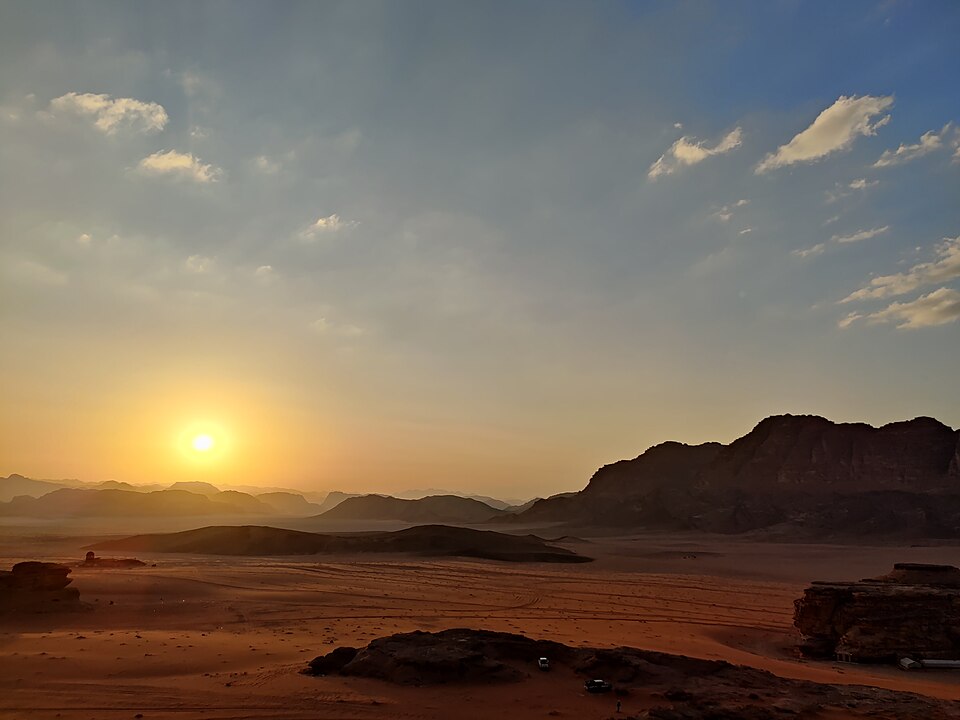
Summers (June to September) are hot and dry. Winters (December to February) are cool, and the north and the highlands get most of the rain, with the occasional snowfall in Amman and Petra. Spring and autumn are mild and pleasant. The weather changes a lot from place to place: the Dead Sea and Aqaba are much warmer than Amman all year, and desert nights in Wadi Rum can get cold even when the days are warm.
What to wear
Light layers, modest clothes and good walking shoes
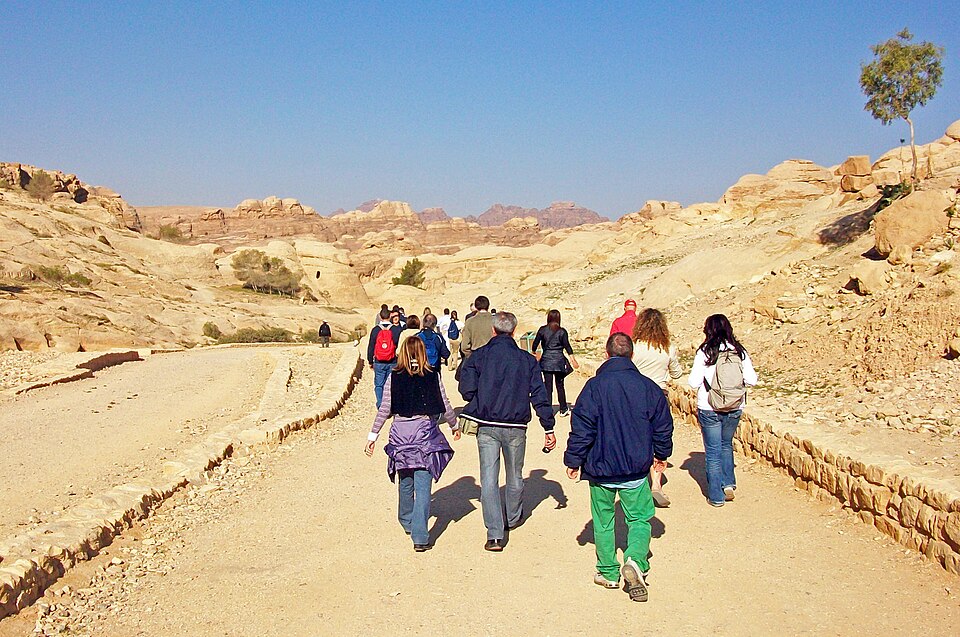
Pack light, breathable clothes for summer, and layers plus a warm jacket for winter and desert evenings. Jordan is friendly and relaxed, but it's polite to cover your shoulders and knees, especially in downtown Amman, small towns and religious sites. Swimwear is fine at hotel pools and at the Dead Sea and Aqaba resorts. Comfortable shoes are a must, since Petra means a lot of walking on sand and stone steps. Don't forget a hat, sunglasses and sunscreen.
Visa rules and exchange rates can change, so please check the latest before you travel. We're always happy to confirm for you.